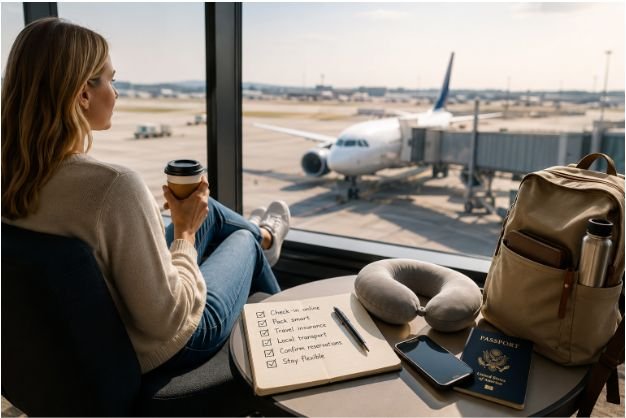
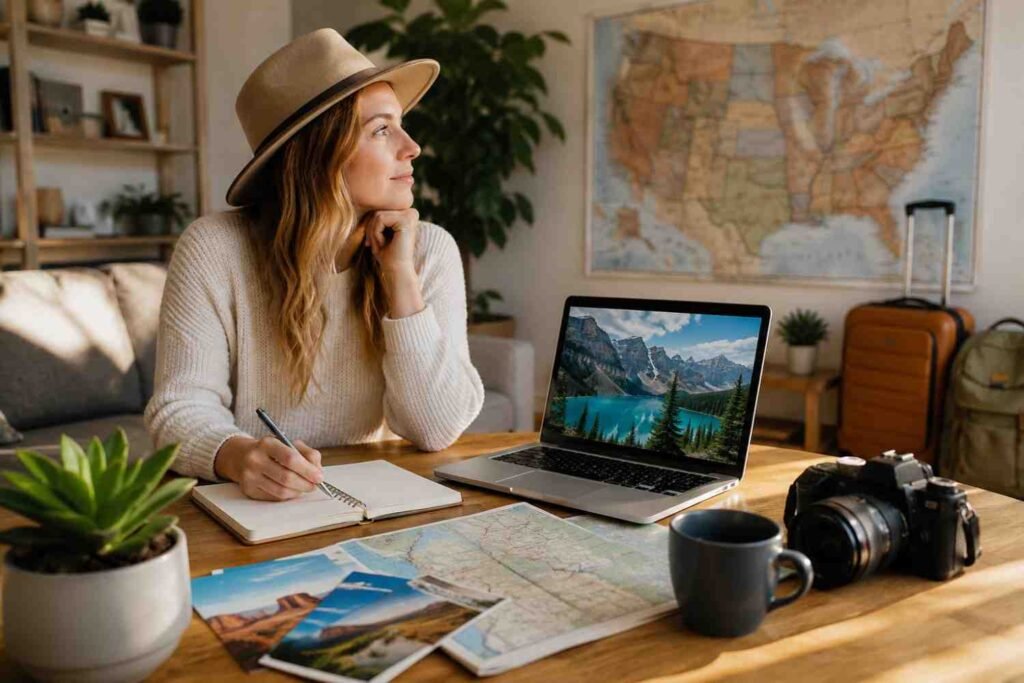
Travel has changed a lot over the years. People are no longer planning trips just to visit famous attractions, take a few pictures, and move on to the next place. More travelers now want experiences that feel personal, relaxed, and worth remembering. The way a trip is planned often decides whether someone comes home feeling refreshed or completely exhausted.
That is where smart travel planning makes a difference. It focuses on creating a thoughtful balance between organization and flexibility. Instead of filling every hour with activities, it helps travelers make better choices with their time, budget, energy, and interests. A well-planned journey gives people more space to actually enjoy where they are instead of constantly worrying about what comes next.
Better Research Creates More Valuable Travel Decisions

A big part of better travel experiences comes from understanding value. The cheapest option is not always the smartest choice, and the most expensive option is not always the best.
For example, choosing accommodation in a central and walkable area may cost slightly more upfront, but it can save hours of transportation time every day. Staying closer to restaurants, public transit, and activities often creates a more convenient and enjoyable experience.
Timing also plays an important role. Many experienced travelers prefer visiting destinations during shoulder seasons when crowds are smaller, prices are usually better, and local experiences feel more natural. Instead of planning around trends, thoughtful travelers focus on what makes the trip meaningful.
Good destination research also helps avoid disappointing experiences. Some places become popular because they look impressive online, but they may not always provide the experience travelers expect. Exploring local neighborhoods, cultural attractions, and lesser-known places can often create stronger memories.
Creating Flexible Itineraries Without Overplanning
A detailed itinerary can be helpful, but trying to control every moment can remove the excitement of discovery. Smart travelers understand the importance of structure without creating a schedule that feels like work.
One effective method is organizing activities by location. Visiting attractions, restaurants, and experiences within the same neighborhood reduces wasted travel time and prevents unnecessary back-and-forth movement.
Leaving open time is equally important. Some of the best travel moments happen unexpectedly, like discovering a small café, meeting interesting people, finding a local event, or simply enjoying a peaceful walk.
A realistic itinerary considers:
- Travel distance between locations
- Meal breaks and rest time
- Weather changes
- Personal energy levels
- Unexpected opportunities
The goal is not to complete a checklist. The goal is to actually experience a destination.
How Technology Makes Travel More Organized
Technology has changed how people research, book, and manage trips. Digital tools now make it easier to organize details that previously required hours of manual planning.
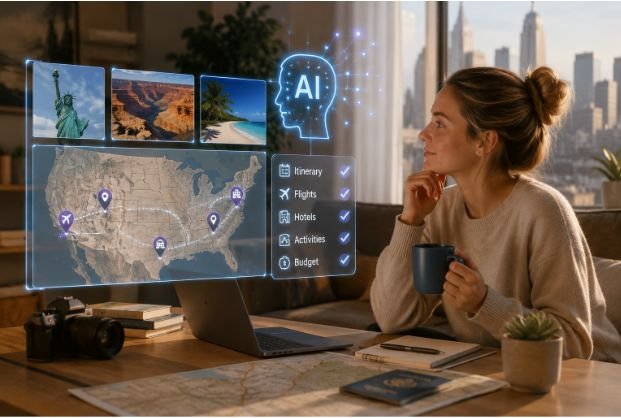
Travel apps help manage reservations, navigation, translations, currency conversion, and schedules in one place. AI-powered tools can suggest personalized activities based on interests, budgets, travel style, and available time.
Flight tracking platforms also help travelers make informed decisions. Many tools analyze pricing patterns and provide insights about when booking may offer better value.
However, technology works best when it supports personal choices rather than replacing them completely. A travel app can recommend a restaurant, but personal curiosity and local exploration often create the moments people remember most.
Managing Your Travel Budget More Effectively
Budget planning is not only about spending less. It is about spending wisely.
A thoughtful budget allows travelers to decide where they want to save and where they want to invest more. Someone may choose a simple hotel but spend extra on a special dining experience, guided tour, or once-in-a-lifetime activity.
Understanding expenses before leaving also reduces financial stress during the trip. Transportation, meals, entrance fees, emergency costs, and travel insurance are easier to manage when they are planned early.
Many travelers today also look for practical ways to make journeys smoother, from digital organization to lifestyle choices that support smarter everyday decisions while balancing comfort, convenience, and meaningful experiences.
Creating More Authentic Connections With Destinations

The most memorable trips usually go beyond sightseeing. They include learning about the people, traditions, food, and everyday lifestyle of a place.
Simple preparation before traveling can create deeper connections. Learning basic cultural customs, understanding local history, or researching traditional foods helps travelers appreciate places beyond surface-level attractions.
Public transportation is another way to experience a destination differently. Using trains, buses, or bikes often gives travelers a closer look at everyday life while also helping manage travel costs.
Food choices can also transform a trip. Exploring neighborhood restaurants, local markets, and regional dishes often provides a stronger cultural experience than only visiting popular tourist areas.
Frequently Asked Questions: How Smart Travel Planning Helps You Create Better Travel Experiences
1. How does smart travel planning improve a trip?
Smart travel planning improves a trip by helping travelers organize their time, budget, activities, and priorities. It reduces stress and creates more opportunities for enjoyable and meaningful experiences.
2. What should be included in a good travel plan?
A good travel plan should include transportation details, accommodation research, estimated expenses, important documents, flexible activities, and enough free time for unexpected experiences.
3. Does technology make travel planning easier?
Yes, technology makes travel planning easier by helping with navigation, bookings, price tracking, recommendations, and organization. Digital tools can save time and simplify many travel decisions.
4. Why is flexibility important while traveling?
Flexibility allows travelers to adjust plans when situations change. It also creates opportunities for spontaneous experiences that often become the most memorable parts of a trip.
Better Planning Turns Simple Trips Into Lasting Memories
The best travel experiences are rarely created by doing the most things possible. They usually happen when travelers make thoughtful choices that match their interests, comfort, and curiosity. Planning ahead creates freedom because fewer moments are spent dealing with confusion, stress, or avoidable problems.
Smart decisions before a journey often lead to better experiences during it. A meaningful trip is not about seeing everything. It is about fully enjoying the places and moments that matter most.