
Traffic, deadlines, bills, family demands, notifications, and poor sleep can leave your body tense and unable to switch off. Learning how to calm your nervous system naturally means using simple physical and sensory cues that help your body recognize when the immediate threat is over.
The autonomic nervous system includes the sympathetic “fight or flight” response and the parasympathetic “rest and digest” response. The goal is to support the body’s relaxation response, which may involve slower breathing, a lower heart rate, and less muscular tension.
Signs Your Body May Be Stuck in High Alert
A prolonged stress response may cause racing thoughts, shallow breathing, a clenched jaw, tense shoulders, irritability, digestive discomfort, poor concentration, or disrupted sleep. Persistent symptoms that interfere with daily life deserve professional attention.
Use Breathing and Sound to Encourage Calm

Breathe in through your nose for four seconds, then exhale slowly through your mouth for six seconds. Repeat for one to three minutes without forcing the breath. A controlled exhale that is longer than the inhale may help move you away from rapid stress breathing. Slow breathing practices may support parasympathetic activity and help counter the body’s stress response.
Humming, singing, or chanting a low, comfortable tone can lengthen the exhale and give your attention one steady sensation. These practices are not an instant vagus-nerve reset, but the sound, vibration, and slow breathing may feel soothing. The vagus nerve is a major part of the parasympathetic system and helps connect the brain with organs involved in heart rate and digestion.
Try Cold Sensation Carefully
Start with a cool washcloth or splash cool water across your cheeks. A brief cool shower may feel refreshing, although some people find it stimulating rather than calming.
Cold exposure can produce complex cardiovascular responses. Facial cold-water exposure may reduce heart rate, while full cold-water immersion can initially increase heart rate and blood pressure.
Avoid holding ice directly on your skin or placing an ice pack on your chest without medical guidance. People with heart, circulation, breathing, or fainting concerns should ask a healthcare professional before trying sudden cold exposure.
Ground Your Physical Body
The 5-4-3-2-1 technique redirects attention from future-focused anxiety. Name five things you see, four you can touch, three you hear, two you smell, and one you taste. Move slowly and notice details.
For progressive muscle relaxation, gently tense your feet for five seconds, then release them for 20 to 30 seconds. Continue through your legs, abdomen, hands, shoulders, jaw, and face, skipping injured areas. the national center for complementary and integrative health includes deep breathing and progressive relaxation among recognized relaxation techniques.
Spend 20 Minutes in Nature and Move Gently

A park, backyard, greenway, or outdoor lunch can reduce screen exposure and sensory overload. Research has associated nature exposure with lower perceived stress and, in some studies, lower cortisol. One study found a significant cortisol decrease after nature experiences lasting more than 20 minutes.
Walking, stretching, yoga, or light gardening may also release physical tension. US physical-activity guidance reports that even one session of moderate-to-vigorous activity can reduce immediate feelings of anxiety, although a calming routine does not need to be intense.
People who menstruate may also explore how to practice cycle syncing to adjust movement, rest, and self-care according to changing energy levels throughout the menstrual cycle.
Support Nerve Function With Food
Magnesium contributes to normal muscle and nerve function, while vitamin B12 supports nervous-system development and function. Choose leafy greens, beans, nuts, seeds, whole grains, eggs, dairy, fish, poultry, and fortified foods. Regular balanced meals may also prevent hunger and energy swings from making stress feel worse.
Do not assume a B-complex or magnesium supplement will automatically calm anxiety. Supplements can cause side effects or interact with medicines. Discuss testing and suitable doses with a physician, registered dietitian, or pharmacist.
Limit Stimulants and Protect Sleep
Caffeine affects people differently. Notice whether energy drinks, late coffee, large amounts of refined sugar, or alcohol create a repeatable pattern of jitters, anxiety, or poor sleep. Reduce what clearly worsens your symptoms rather than following an extreme detox. Excessive caffeine may contribute to anxiety, heart palpitations, or sleep difficulties in sensitive individuals.
Most US adults should get at least seven hours of sleep, with many functioning best around seven to nine hours. Keep bedtime and wake time consistent, dim bright screens before bed, and make the room dark, quiet, and comfortable. Sleep supports emotional well-being and recovery.
Use This Five-Minute Reset
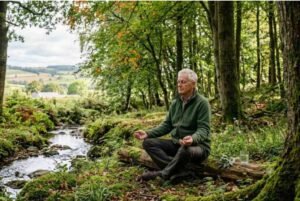
Place both feet on the floor and loosen your jaw. Complete five rounds of a four-second inhale and six-second exhale. Name three neutral objects around you. Gently tense and release your shoulders, hands, and feet. Finish with one manageable action, such as drinking water, stepping outside, or silencing notifications.
This routine is not a cure for anxiety, trauma, panic disorder, or another health condition. It is a practical interruption you can use before a meeting, after a difficult commute, or during an overstimulating afternoon.
Once you feel more settled, learning how to stop wasting time every day can help you reduce distracting habits, regain focus, and prevent unfinished tasks from creating additional stress.
When to Get Professional Help
Speak with a healthcare professional when anxiety or high-alert symptoms are difficult to control or disrupt daily life. Anxiety disorders involve more than occasional worry and may worsen without appropriate support.
Seek urgent care for chest pain, fainting, severe breathing trouble, or other dangerous symptoms. In the United States, anyone experiencing emotional distress or a suicide crisis can call or text 988 for free, confidential support.
Frequently Asked Questions
1. How to calm your nervous system naturally when overwhelmed?
Begin with a slow, longer exhale, relax your jaw and shoulders, and complete the 5-4-3-2-1 exercise. Repeat gently for a few minutes instead of expecting an instant reset.
2. Does humming really stimulate the vagus nerve?
Humming may encourage slower exhalation, focused attention, and soothing vibration. It can help some people, but it is not a guaranteed vagus-nerve switch.
3. Can food calm an overactive nervous system?
No single food provides an immediate reset. Balanced meals with protein, fiber-rich carbohydrates, healthy fats, magnesium-rich foods, and adequate B vitamins support general nerve function and steadier energy.
4. How long does regulation take?
Breathing or grounding may change how you feel within minutes, while steadier regulation usually develops through repeated sleep, movement, nutrition, stress-management, and social-support habits.
A Calmer Way Forward
A healthy nervous system still reacts to pressure; it simply becomes better able to return to a steadier state. Start with one realistic action, such as longer exhales in traffic, a 20-minute evening walk, or a consistent bedtime. Small practices repeated regularly are more useful than an intense routine you cannot maintain.