I used to think minimalism meant white walls, empty shelves, and owning one spoon. It does not. The best minimalist lifestyle tips for beginners are about removing what drains you, so you can keep what supports your real life.
Minimalism works best when it feels personal, not performative. I do not want a cold home that looks staged. I want a calmer space, fewer useless purchases, and more time for things I actually enjoy.
Minimalist Lifestyle Tips For Beginners Start With Enough
The first mistake I made was asking, “What should I get rid of?” That question made everything feel stressful. A better question is, “What is enough for the life I live now?”
That shift matters. Minimalism is not about owning the least. It is about owning what earns its space. The EPA says reducing and reusing can save money, reduce waste, save energy, and allow products to be used fully before disposal. That makes minimalism practical, not just pretty.
For me, “enough” means one reliable water bottle, a few clothes I wear often, kitchen tools that do real work, and open space that helps my brain breathe. Your version may look different, and that is the point.
Decluttering Tips For Beginners That Do Not Feel Extreme

Minimalism becomes easier when I start with low-emotion items. I do not begin with family photos or sentimental gifts. I begin with duplicates, junk drawers, expired products, and things I forgot I owned.
Remove Duplicates First
Duplicates are the easiest win. I once found four tape rolls, three phone chargers, and six half-used notebooks in different drawers. I kept the best ones and let the rest go.
Start with one category. Check measuring cups, mugs, chargers, towels, pens, reusable bags, and beauty products. Keep the useful item, not every backup version of it.
This is one of the most practical minimalist lifestyle tips for beginners because it does not require a personality makeover. You simply stop storing the same item five times.
Try The 30-Day Box Test
The packing box test helped me deal with “maybe” items. I place things I rarely use into a box, write the date on it, and keep it out of sight for 30 days.
If I need something, I take it back. If I forget the box exists, that tells me enough. This method removes the panic from decluttering because I am not making a dramatic decision in the moment.
Use this for kitchen gadgets, extra décor, hobby supplies, books, and seasonal items. Do not use it for legal papers, medical items, or emergency supplies.
Build One Clutter-Free Zone
A clutter-free zone is a small area that stays clear no matter what. Mine started as a nightstand. No random receipts, no empty cups, no tangled wires.
Once that area felt peaceful, I wanted the same feeling elsewhere. That is why one clear surface can be more powerful than a full-house declutter weekend.
Research on household chaos has linked chaotic home conditions with stress and negative emotions, so a calmer space is not just about looks. It can affect how you feel at home.
Simple Living Habits That Stop Clutter Coming Back
Decluttering feels good, but incoming clutter is the real test. If I keep buying, accepting, and storing more things, my home resets itself back to messy.
Use The 48-Hour Buying Rule
The 48-hour rule is simple. When I want a non-essential item, I wait two full days before buying it.
Most impulse purchases lose their sparkle after a night of sleep. If I still want the item after 48 hours, I ask three questions: Where will it live? What will it replace? Will I use it next week?
This rule works well for Amazon carts, Target runs, sale items, gadgets, clothes, and home décor. It protects money and space at the same time.
Say No To Free Stuff
Free stuff is not always free. It asks for drawer space, cleaning time, mental attention, and sometimes guilt.
I stopped accepting event shirts, random samples, promotional mugs, and “just in case” items. Saying no at the door is easier than decluttering later.
This habit feels small, but it is one of the smartest minimalist lifestyle tips for beginners. Less coming in means less work going out.
Choose Experiences Over More Things
When I buy less, I do not feel deprived. I redirect that money toward dinners with friends, short trips, classes, fitness, and creative hobbies.
After decluttering, I also noticed I had more room for simple interests, like reading, journaling, cooking, and other easy hobbies to start at home without spending much. Minimalism gave my time back before it gave my shelves back.
Digital Minimalism For A Calmer Mind
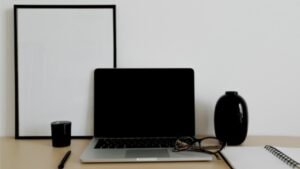
My home was not the only cluttered place. My phone, inbox, desktop, and subscriptions were also noisy.
Audit Subscriptions
I check paid subscriptions every month. Streaming apps, cloud storage, editing tools, delivery memberships, fitness apps, and forgotten free trials can quietly drain money.
Subscription friction is a real consumer issue. The FTC announced a “click-to-cancel” rule in 2024, and a US appeals court later blocked its implementation before it took effect in 2025. The wider point still stands: consumers often need to watch recurring charges carefully.
My rule is direct. If I have not used it in 30 days, I pause or cancel it.
Clean Your Phone And Inbox
I delete unused apps, unsubscribe from retail emails, and remove notifications that push me to shop. I also keep my home screen boring on purpose.
A simple phone makes buying less easier. If every app is designed to grab attention, digital clutter becomes spending clutter.
This is where minimalist lifestyle tips for beginners become more than home organization. They become attention protection.
Practice Mono-Tasking
Mono-tasking means doing one thing at a time. I use it when cooking, writing, cleaning, and even replying to messages.
The American Psychological Association explains that switching between tasks can reduce efficiency, especially when tasks are complex. That matches my experience. I finish faster when I stop pretending I can do five things well at once.
Try one 20-minute mono-tasking block daily. Put your phone away, pick one task, and finish it before moving on.
A Minimalist Home Routine I Actually Use
My favorite method is the “keep, pause, protect” reset.
First, I keep what I use weekly. These items stay in easy reach. Second, I pause questionable items in a box for 30 days. Third, I protect clear spaces by not filling every shelf, wall, or tabletop.
Here is how it looks in real life. On Sunday, I clear one surface, remove three duplicates, cancel one unused subscription, and choose one item not to buy. It takes less than 30 minutes.
That small routine works because it is repeatable. Minimalism fails when it becomes a giant weekend project. It sticks when it becomes a quiet weekly habit.
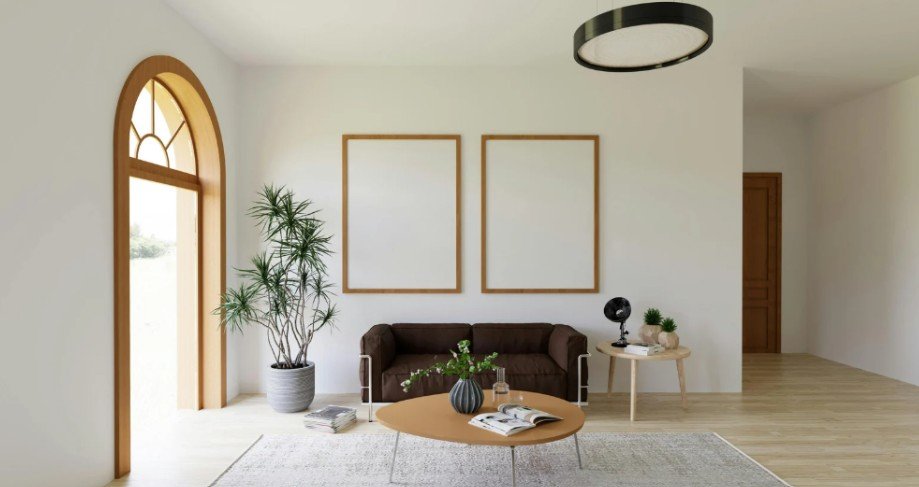
I also leave empty space on purpose. A blank wall is not unfinished. An empty table is not wasted. Open space gives the room a chance to feel calm.
FAQ
1. What is the easiest way to start a minimalist lifestyle?
Start with duplicates, one clutter-free zone, and a 48-hour buying rule before touching sentimental items.
2. How do I become minimalist without throwing everything away?
Use a 30-day box test, keep what you use, and remove items slowly instead of forcing overnight decisions.
3. What should beginners declutter first?
Beginners should declutter low-emotion items first, such as expired products, extra chargers, junk drawers, old papers, and duplicate kitchen tools.
4. Can minimalism help save money?
Yes, minimalism can save money by reducing impulse buys, unused subscriptions, duplicate purchases, and storage needs.
Your Home Called. It Wants Fewer Things.
Minimalism does not ask you to become a different person. It asks you to stop carrying every version of your past, every impulse purchase, and every “maybe someday” item.
Start with one drawer, one surface, or one subscription. Then protect the space you create. The best minimalist lifestyle tips for beginners are the ones you can repeat without turning your life into a strict rulebook.
Keep what helps. Pause what confuses you. Release what keeps asking for space without giving anything back.