
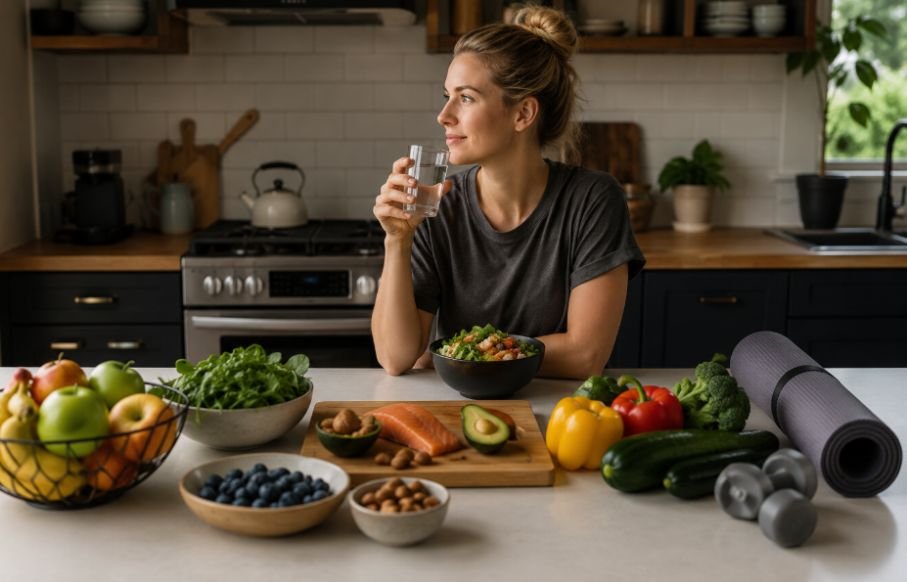
Scroll through social media for a few minutes, and you’ll probably find someone promoting the next miracle diet or an intense workout that promises life-changing results. It can make healthy living feel complicated, expensive, or impossible to maintain. The reality looks very different. Most people who stay healthy for decades aren’t chasing every trend; they’re building routines they can stick with.
A healthy lifestyle for long-term vitality isn’t about perfection. It’s about making small decisions that support your body every day. The foods you eat, how often you move, the quality of your sleep, and even your relationships all work together to influence your energy, strength, and overall well-being. In 2026, the conversation has shifted from quick transformations to creating habits that improve health for the long run.
Why Long-Term Vitality Is Different From Short-Term Fitness

Many people focus on living longer, but today’s wellness experts are paying more attention to healthspan the number of years you stay healthy, active, and independent. Living to an older age means little if chronic illness or poor mobility limits your quality of life.
That’s why sustainable habits matter more than extreme routines. A balanced lifestyle supports heart health, muscle strength, mental clarity, metabolic health, and emotional well-being without feeling like a full-time commitment. Instead of trying to overhaul your life overnight, you build healthy routines that naturally become part of your day.
Eat to Fuel Your Body, Not Just Fill It
Nutrition doesn’t have to be restrictive to be effective. The healthiest eating patterns are usually built around whole foods that provide lasting energy instead of temporary satisfaction.
Fill your plate with colorful vegetables, fresh fruit, lean proteins, whole grains, healthy fats, and fiber-rich foods whenever possible. These foods help support gut health, stable blood sugar, and steady energy throughout the day while reducing dependence on highly processed meals.
Hydration deserves just as much attention. Even mild dehydration can affect concentration, physical performance, and mood, making water one of the simplest ways to support long-term wellness.
As nutrition continues to evolve, many people are also looking for healthy foods to eat while taking GLP-1 medication because maintaining muscle mass and getting enough protein, fiber, and essential nutrients becomes even more important when appetite changes.
Move Every Day, Even If It Isn’t a Workout

Exercise doesn’t need to be exhausting to improve your health. One of the biggest shifts in recent years is the growing appreciation for functional movement throughout the day.
Walking after meals, taking the stairs, stretching during work breaks, gardening, or riding a bike all contribute to better cardiovascular health. These small activities add up over time and help reduce the risks associated with prolonged sitting.
Strength training should also be part of your weekly routine. Lifting weights or using resistance bands two or three times each week helps preserve muscle mass, improve bone density, and support mobility as you age.
Instead of exercising to burn calories, more people are exercising to stay strong enough to enjoy everyday life.
Recovery Is Where Progress Happens
People often underestimate the value of recovery. In reality, your body repairs muscles, balances hormones, and restores energy while you rest.
Aim for seven to nine hours of quality sleep each night by keeping a consistent bedtime and limiting bright screens before sleeping. Creating a relaxing evening routine helps your body recognize when it’s time to wind down.
Recovery also includes giving yourself permission to slow down. Learning how to practice cycle syncing can help some people adjust movement, nutrition, and recovery habits according to changing energy levels throughout the menstrual cycle.
Rest days, gentle stretching, yoga, and mobility exercises improve flexibility while reducing the likelihood of injuries that interrupt long-term progress.
Stress Management Is a Daily Practice

Stress is unavoidable, but staying in a constant state of stress isn’t.
Instead of waiting until burnout becomes overwhelming, people are adding small recovery habits throughout the day. Deep breathing exercises, meditation, spending time outdoors, reading, or simply stepping away from digital devices for a few minutes can help lower cortisol levels and improve emotional well-being.
Mental wellness isn’t built in one session. It grows through consistent practices that help you respond to challenges with greater resilience.
Build Strong Relationships Along the Way
Health isn’t only physical. Strong social connections play an important role in longevity and overall happiness.
Spending time with family, maintaining friendships, joining community groups, or volunteering provides emotional support while reducing feelings of loneliness. These relationships encourage healthier habits, offer accountability, and remind us that wellness isn’t something we have to pursue alone.
People who feel connected often find it easier to maintain positive routines because they have encouragement during both successes and setbacks.
Small Choices Create Lasting Results

Extreme diets and fitness programs usually produce short-term motivation followed by frustration. Sustainable habits work differently because they fit naturally into everyday life.
Consider building your routine around simple actions like:
- Preparing balanced meals most days of the week.
- Walking for 30 minutes daily.
- Strength training at least twice a week.
- Drinking enough water throughout the day.
- Following a consistent sleep schedule.
- Making time for relaxation and meaningful relationships.
None of these habits feel dramatic on their own. Together, they create a lifestyle that supports long-term vitality year after year.
Frequently Asked Questions
1. What does long-term vitality mean?
Long-term vitality means maintaining physical energy, mental sharpness, strength, and overall health as you age instead of simply living longer.
2. Which habit should I start with first?
Choose one habit you can realistically maintain, such as walking daily, improving sleep, or eating more whole foods. Consistency delivers better results than trying everything at once.
3. How important is strength training for healthy aging?
Strength training helps preserve muscle, supports bone density, improves balance, and makes everyday activities easier as your body changes over time.
4. Can small lifestyle changes really improve long-term health?
Yes. Small, repeatable habits often produce greater long-term benefits than short-lived diets or extreme workout plans because they’re easier to maintain consistently.
The Habits You’ll Thank Yourself for Later
A healthy lifestyle for long-term vitality isn’t built through one perfect meal, one intense workout, or one month of motivation. It’s created through everyday decisions that become automatic over time.
Eating nourishing foods, moving regularly, prioritizing sleep, managing stress, and staying connected with others may seem simple, but together they create a foundation that supports better health for years to come. Instead of chasing the next wellness trend, focus on habits that still make sense a decade from now.
The healthiest lifestyle is usually the one you can continue without feeling like you’re constantly starting over.