Starting a GLP-1 medication can change more than your appetite. Foods you once ate comfortably may suddenly feel too heavy, while smaller portions can leave less room for the protein, fiber, vitamins, and fluids your body still needs.
Choosing healthy foods to eat while taking GLP-1 medication can help you protect muscle, maintain energy, support digestion, and manage common side effects such as nausea, constipation, reflux, and prolonged fullness.
Rather than following an overly restrictive diet, focus on making every bite count. Build smaller meals around lean protein, add fiber gradually, include modest portions of nourishing carbohydrates and healthy fats, and sip fluids throughout the day.
The goal is not to eat as little as possible, but to give your body the nutrition it needs while adjusting to Ozempic, Wegovy, Mounjaro, Zepbound, or a related incretin medication.
Prioritize Lean Protein First
Rapid weight loss can include loss of lean tissue as well as fat. JAMA Internal Medicine recommends beginning meals with about 20 to 30 grams of protein, although individual needs vary.
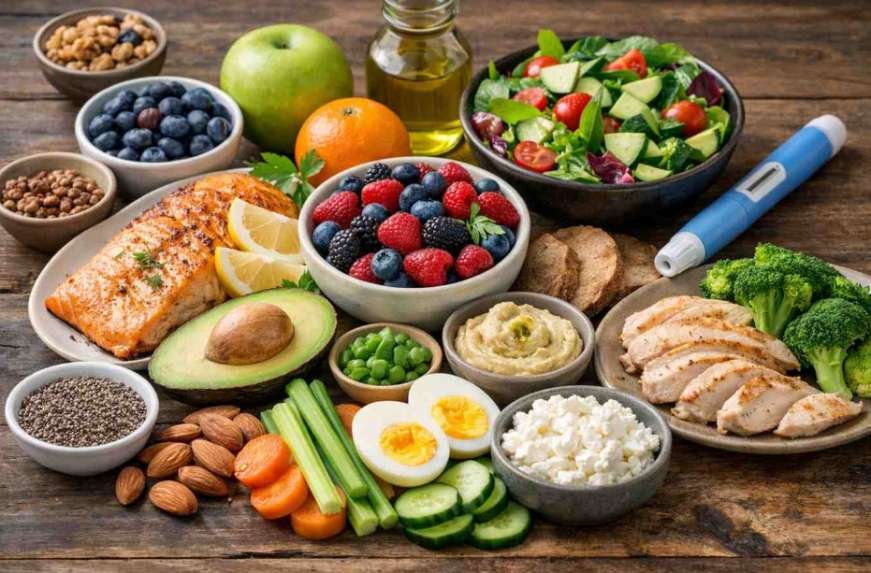
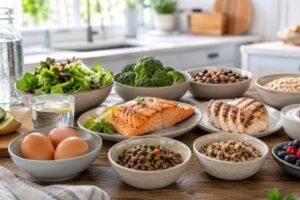
Useful U.S. grocery-store choices include skinless chicken breast, lean ground turkey, cod, tilapia, salmon, eggs, egg whites, plain Greek yogurt, skyr, low-fat cottage cheese, tofu, tempeh, and edamame. Lentils, chickpeas, and black beans provide protein and fiber.
When appetite is low, softer options such as eggs, yogurt, cottage cheese, tofu, flaky fish, or a clinician-approved protein smoothie may feel easier to eat. Start with protein so you do not become too full before reaching it.
Add Fiber and Complex Carbohydrates Gradually
Slower digestion can contribute to constipation, but adding too much fiber suddenly may increase gas or bloating. Increase it gradually and drink enough fluid.
Spinach, kale, zucchini, cucumbers, broccoli, and carrots provide fiber and micronutrients. If raw vegetables worsen nausea, cook them until tender. Berries, apples with the skin, and pears are practical high-fiber fruits. Oats, quinoa, farro, and brown rice provide complex carbohydrates in modest portions.
Refined carbohydrates do not need to be banned. Plain toast, crackers, rice, or a banana may be easier to tolerate during nausea or diarrhea. For regular meals, choose whole grains and minimally processed carbohydrates more often.
Use Healthy Fats in Small Portions
Avocado, almonds, walnuts, chia seeds, flaxseeds, and extra-virgin olive oil provide unsaturated fats. However, rich or high-fat meals may worsen nausea, reflux, or prolonged fullness for some people.
Try one-quarter of an avocado, a small spoonful of nut butter, a sprinkle of seeds, or a light drizzle of olive oil. Personal tolerance matters more than a rigid rule.
Stay Hydrated Throughout the Day
Reduced appetite may make it easy to forget fluids. Sip plain water regularly rather than drinking a large amount with one meal. Some adults may be advised to consume roughly 2 to 3 liters daily, but needs differ with body size, activity, climate, kidney health, heart conditions, and medications. Ask whether you need a specific target.
Broth can provide fluid and may feel soothing. Check the Nutrition Facts label, however, because sodium and protein vary widely. Bone broth should not automatically replace a full protein serving.
FDA (The Food and Drug Administration) prescribing information for Wegovy and Zepbound warns that nausea, vomiting, or diarrhea can cause dehydration and potentially contribute to kidney problems. Contact your prescriber if you cannot keep fluids down or notice signs of dehydration.
Choose Gentle Foods for Side Effects
For nausea, try small servings of whole-grain toast, crackers, oatmeal, banana, applesauce, yogurt, or ginger tea. Peppermint tea may help some people but can worsen heartburn. Eat slowly and avoid lying down immediately afterward.
Medication adjustments and digestive symptoms can sometimes feel stressful. Learning how to calm your nervous system naturally through slow breathing, grounding, gentle movement, and consistent sleep may make these changes easier to manage alongside medical guidance.
For constipation, combine fluids with oats, berries, pears, beans, chia, flax, and cooked vegetables. For diarrhea, choose simple foods, replace fluids, and contact your healthcare team if symptoms continue. For reflux or excessive fullness, reduce fried foods, creamy sauces, fatty meats, carbonated beverages, late-night meals, and large portions.
Foods and Drinks to Limit
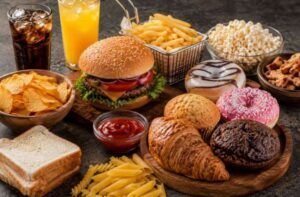
Fried and ultra-processed foods, fast food, chips, pastries, white bread, white pasta, sugary beverages, and large amounts of fruit juice can crowd out protein and nutrients. They may worsen bloating, heartburn, nausea, or blood-sugar swings.
Carbonated drinks can increase gas. Alcohol may worsen dehydration, irritate the stomach, add calories, and complicate blood-sugar management. People who also use insulin or sulfonylureas should discuss low-blood-sugar risk with their clinician rather than changing medication independently.
A Simple GLP-1-Friendly Day
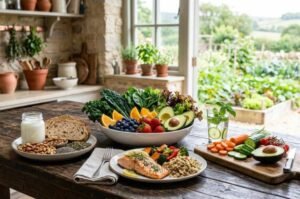
Breakfast could be plain Greek yogurt with berries, chia seeds, and oats. Lunch might be lentil soup with grilled chicken and cooked vegetables. A snack could include cottage cheese with pear slices or an egg with whole-grain toast. Dinner could be baked salmon, quinoa, and roasted zucchini in a smaller portion than you ate before treatment.
This example should be adjusted for your diagnosis, dose, food tolerance, preferences, budget, and medical history.
Frequently Asked Questions
1. What Are the Best Healthy Foods to Eat While Taking GLP-1 Medication?
Start with lean or plant-based protein, then add vegetables, a modest serving of a fiber-rich carbohydrate, and a small amount of unsaturated fat. Drink fluids regularly and adjust portions and textures according to your symptoms.
2. Should I Eat Protein First?
Protein first is practical when appetite is low because you may become full quickly. Ask a clinician or registered dietitian nutritionist for an individualized target, especially if you have kidney disease.
3. What Should I Eat When I Have No Appetite?
Try small, nutrient-dense foods such as yogurt, eggs, cottage cheese, tofu, soup, flaky fish, or an appropriate protein smoothie. Tell your prescriber if you repeatedly cannot eat enough.
4. When Should I Contact My Healthcare Provider?
Seek medical advice for persistent vomiting, inability to retain fluids, severe or continuing abdominal pain, faintness, very dark urine, or other signs of dehydration. Do not stop or change your dose without consulting the prescribing clinician.
Final Thoughts
The strongest eating plan during GLP-1 treatment is one you can tolerate while meeting protein, fiber, fluid, and micronutrient needs. Build smaller meals around protein, introduce fiber gradually, use healthy fats sparingly, and modify food choices when nausea, constipation, reflux, or reduced appetite appears.
Creating realistic routines around food, movement, rest, and self-care can also support how to create a lifestyle you actually enjoy while pursuing long-term health and weight-management goals.
A U.S.-based registered dietitian nutritionist or prescribing clinician can tailor your plan to diabetes, kidney health, medications, and weight-management goals.