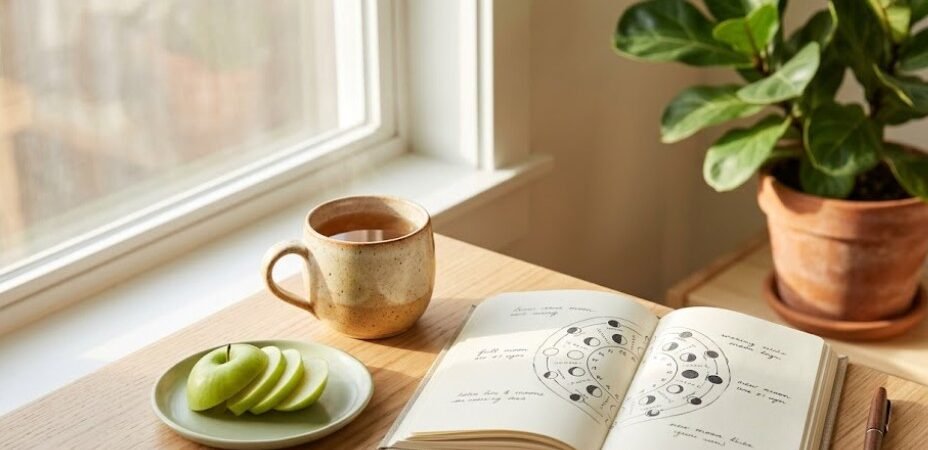
Hating your period or forcing yourself through a grueling workout when you are completely exhausted is a cycle that leaves so many of us burnt out. Learning how to practice cycle syncing completely changed my relationship with my body, transforming those monthly shifts from a frustrating mystery into my ultimate wellness superpower.
Key Takeaways
- Aligning habits with your biological clock unlocks sustainable energy.
- Workouts should shift from high intensity to gentle recovery.
- Estrogen and progesterone drops require intentional, nourishing foods.
- Adjusting the timeline makes menstrual mapping work for anyone.
- Focusing on just one habit prevents a healthy lifestyle overwhelm.
Learning Cycle Syncing Is Your New Wellness Superpower
Ever wonder why you crush a gym class one Tuesday, but the next week you can barely crawl out of bed? Stop treating your body like a twenty four hour robot.
Because our hormones change constantly throughout the month, fighting your natural biology only leads to massive burnout. Embracing this shift helps you unlock endless energy and finally say goodbye to miserable PMS crashes.
Decoding Your Four Dynamic Hormonal Windows
Unlocking your vibrant health starts with understanding the distinct internal seasons your body transitions through every few weeks. Here is a friendly look at what is actually happening beneath the surface during your entire monthly loop.
The Menstrual Phase

This phase begins on the very first day your bleeding starts and usually lasts around days one to five. Your main chemical messengers, estrogen and progesterone, drop to their lowest points, which often makes you feel fatigued, bloated, or experience intense cramping.
To combat this low energy, your body needs iron rich foods like spinach, lentils, and lean red meat to offset blood loss. Pairing these with vitamin C from fresh citrus fruits boosts absorption, while omega 3 fatty acids from salmon or walnuts work wonders to soothe menstrual cramps.
Your physical movement should prioritize deep recovery by dialing down the intensity completely. Stick to gentle walks, restorative yoga, and light Pilates sessions while prioritizing extra sleep and guilt free rest.
The Follicular Phase
This transition takes place right after your bleeding stops, spanning roughly from days six to thirteen. Estrogen levels slowly begin to rise during this time, which naturally boosts your daily energy, enhances your mood, and unlocks a burst of fresh mental motivation.
Support this rising estrogen by feeding your body clean building blocks like lean proteins including chicken and fish.
Add complex carbohydrates like quinoa and brown rice alongside cruciferous veggies like broccoli and cabbage to help your liver process hormones smoothly. Because your internal energy is steadily climbing, it is the perfect time to challenge your body.
Feel free to tackle higher impact workouts like running, swimming, or progressive weight training sessions.
The Ovulatory Phase

This short window is the main event of your month, typically occurring around days fourteen to seventeen. Estrogen and testosterone peak just before an egg is released, leaving you at your absolute most energized, social, and communicative.
Keep your physical stamina high by fueling yourself with light, vibrant, and liver supporting foods.
Focus on fresh fruits, crisp raw vegetables, and drinking plenty of pure water to stay completely hydrated. Take full advantage of your peak physical stamina by scheduling your most demanding sweat sessions.
This is the ultimate time for high intensity interval training, spinning classes, or dynamic cardio workouts.
The Luteal Phase
This final stretch is the longest part of your cycle, lasting from days eighteen to twenty eight before everything resets. Progesterone rises to calm your system and then sharply drops, which can trigger common PMS symptoms including bloating, mood swings, and sleep disruptions.
Combat these uncomfortable cravings and fluid retention by prioritizing high fiber options, healthy fats like avocado and nuts, and magnesium rich foods like dark chocolate or pumpkin seeds.
Do your best to limit salty foods, caffeine, and alcohol during this sensitive time. As your biological energy decreases, gracefully scale back your fitness expectations. Transition toward steady state cardio, gentle strength training, or relaxing yoga flows that protect your nervous system from excess stress.
Easy Step-by-Step Guide on Cycle Syncing
Starting this beautiful transition does not require you to rewrite your entire lifestyle overnight or follow a rigid set of rules. This simple roadmap shows you exactly how to integrate these supportive habits into your real, busy lifestyle without feeling overwhelmed.
Track Your Cycle Length
Begin by downloading period tracking apps like Flo or Clue to monitor your cycle length, flow flow variations, and daily energy levels for one to two months. Gathering this personal data helps you understand your baseline before making changes.
Listen To Your Unique Body

Remember that cycle lengths vary wildly from person to person, so you should never force yourself to do a high intensity interval workout on a day when you feel low just because a generic chart says you should. Your intuition always trumps a calendar.
Take It One Change At A Time
Avoid the temptation to overhaul your entire kitchen and workout routine simultaneously. Pick one small focus area, like changing your breakfast or your workouts, and let it become a habit before adding anything else.
Cycle syncing feels easier when you build it slowly through simple habits to improve everyday life, instead of trying to change your food, workouts, sleep, and schedule all at once.
Frequently Asked Questions
1. How to train in sync with your cycle?
Match your workout intensity to your current phase by crushing heavy lifting and cardio during your follicular and ovulatory surges. Switch to low impact walking, pilates, and restorative yoga when your period arrives to prevent excess fatigue.
2. Does cycle syncing workout actually work?
Yes, aligning your movement with your hormones reduces stress hormones like cortisol and prevents overtraining. Listening to your natural stamina fluctuations helps you build sustainable strength, lowers injury risks, and supports long term reproductive wellness.
3. Is it possible to sync menstrual cycles?
While women living together often notice overlapping dates, scientific studies show this is actually a mathematical coincidence rather than true biological syncing. Every individual body responds uniquely to its own internal hormonal blueprint.
4. What should I eat on my period cycle syncing?
Focus on warm, iron rich comfort foods like grass fed beef, lentils, spinach, and wild salmon paired with citrus for absorption. Incorporate healthy fats and comforting herbal teas to soothe cramps and replenish lost nutrients naturally.
Ditch the Burnout and Flow With Your Glow
Learning how to practice cycle syncing is the ultimate act of self care because it replaces frustration with deep body intuition. You deserve to feel vibrant and supported every single week of the month.
By embracing your natural rhythms, you unlock a sustainable, radiant lifestyle that honors your feminine power. Listen close, flow gently, and watch your wellness completely transform.