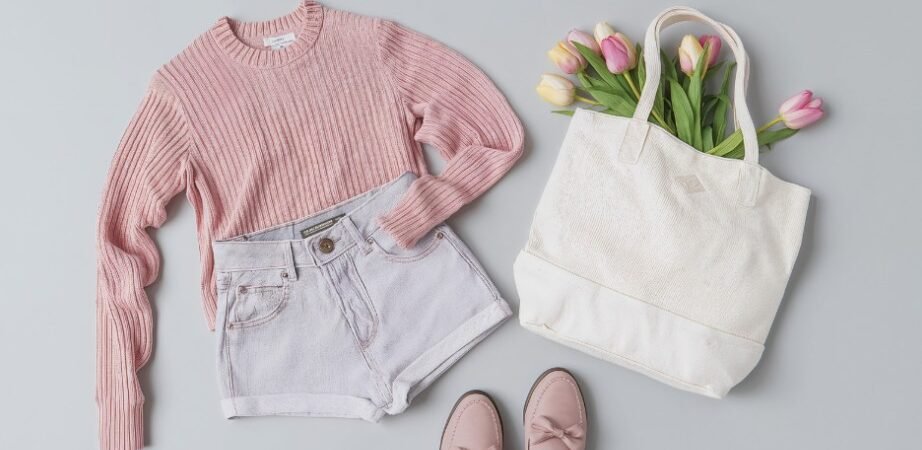
If your closet is full but your outfits still feel flat, the problem is probably not a lack of clothes. Learning how to dress better without buying more clothes starts with styling what you already own with more intention.
I used to think a better outfit meant a newer outfit. Then I noticed my favorite looks were not built from new pieces. They came from better tucks, cleaner shoes, sharper proportions, and repeating combinations that actually worked.
Why Your Closet Is Not The Problem
Most people do not need more clothes. They need more clarity. A shirt can look lazy when it hangs at the wrong length, but polished when tucked. Jeans can look basic with worn sneakers, but intentional with clean shoes and a belt.
There is also a practical reason to pause before shopping. The EPA reported that textiles generated 17 million tons of municipal solid waste in 2018, and landfills received 11.3 million tons of textiles that year. The textile recycling rate was only 14.7 percent.
That does not mean style should feel like homework. It means the smartest first step is to make your current wardrobe work harder. When I want to know how to dress better without buying more clothes, I focus on three things: fit, formula, and finish.
How To Dress Better Without Buying More Clothes Using Fit
Fit changes everything. It can make a simple outfit look expensive or make expensive clothes look careless. Before I think about trends, I check the shape of the outfit.
Use The Rule Of Thirds
The rule of thirds is one of the easiest styling tricks. Instead of cutting your body in half visually, create a 1/3 and 2/3 balance.
For example, a long untucked T-shirt with jeans can make the body look boxy. A front tuck changes the shape fast. It shortens the torso area and lengthens the leg line. I use this most with oversized shirts, button-downs, sweaters, and basic tees.
This does not mean every shirt must be tucked. A French tuck, full tuck, side tuck, or cropped layer can all work. The goal is not perfection. The goal is better proportion.
Balance Loose And Fitted Pieces
A polished outfit usually has balance. If I wear wide-leg trousers, I choose a neater top. If I wear a bulky sweater, I pair it with slimmer jeans or a cleaner shoe.
This simple contrast keeps clothes from swallowing the body. It also helps older pieces feel modern. A loose shirt with loose pants can work, but it needs structure. That may come from a belt, rolled sleeves, sharp shoes, or a defined neckline.
When people ask how to dress better without buying more clothes, this is the first trick I suggest. Do not replace the item. Change what you wear with it.
Cuff, Roll, Tuck, And Adjust
Small adjustments make an outfit look styled instead of accidental. I roll sleeves to show the wrist. I cuff jeans when the hem bunches around my shoes. I tuck shirts when the outfit needs shape.
Wrists, ankles, waistlines, and necklines matter because they create visual breaks. These breaks make even casual outfits look cleaner. A plain white tee, straight jeans, and sneakers can look unfinished. Add a neat cuff, clean shoes, a belt, and a watch, and the same outfit looks deliberate.
Use Simple Outfit Formulas That Make Clothes Look New

Outfit formulas remove the “I have nothing to wear” panic. They also help you reuse clothes without feeling repetitive. Restyling outfits can become a fun creative habit, almost like one of the easy hobbies to start at home without spending much, because you learn to make old pieces feel fresh without shopping.
Try The Third Piece Rule
The third piece rule is simple. Start with a top and bottom, then add one extra layer or style element. That third piece can be a blazer, cardigan, denim jacket, flannel, vest, scarf, or structured overshirt.
This works because the third piece adds depth. A T-shirt and jeans may feel too plain. A T-shirt, jeans, and an open button-down feel styled. A tank and trousers may feel basic. Add a blazer, and the outfit looks finished.
This is one of my favorite ways to learn how to dress better without buying more clothes because almost everyone already owns at least one layer they ignore.
Use The Sandwich Method
The sandwich method balances color. You repeat one color at the top and bottom of the outfit, then place a different color in the middle.
For example, a black top, blue jeans, and black shoes create a simple sandwich. A cream sweater, dark pants, and cream sneakers do the same. You can also match shoes to your hair color, belt, bag, or jacket.
This trick makes outfits feel connected. It also helps when you are mixing pieces that do not seem related at first.
Apply The Rule Of 7
The rule of 7 says a polished outfit often has around seven visual elements. I do not treat this as a strict law, but it helps when an outfit feels too plain.
Count your main pieces first. A top, pants, and shoes equal three. Add a belt, watch, earrings, jacket, or bag, and the look gains detail.
The secret is not piling on random accessories. The secret is choosing elements that look intentional together. A belt that matches your shoes can do more than three trendy accessories that fight each other.
Refresh The Clothes You Already Own

Styling is not only about combinations. Clothing care matters too. A wrinkled shirt, pilled sweater, or dusty shoe can weaken an otherwise great outfit.
Do A 5-5-5 Closet Test
I like the 5-5-5 test because it forces creativity. Choose 5 tops, 5 bottoms, and 5 shoes or layers. Wear only those pieces for two weeks.
This sounds restrictive, but it works. Fewer options make patterns easier to see. You notice which shirt always needs a tuck, which jeans work with every shoe, and which jacket saves boring outfits.
This is also a smart way to find your style without shopping. If you are still figuring out your look, read more about how to find your personal style as an adult before buying new pieces.
Take Outfit Photos
A mirror photo is not vanity. It is data. I take outfit photos when something works and when something feels off.
Photos show details the mirror misses. Maybe the shirt is too long. Maybe the shoes are too heavy. Maybe the outfit looks better with sleeves rolled. Over time, those photos become a personal lookbook.
On busy mornings, I do not want to invent an outfit from scratch. I want proof that something already worked.
Repair, Clean, And Tailor
The FTC requires care labels on textile apparel to state regular care instructions, including washing or dry-cleaning guidance, drying, ironing, bleaching, and warnings when needed. I treat those labels as styling tools, not boring tags.
Washing the wrong way can fade, shrink, or weaken clothes. ENERGY STAR also notes that certified clothes washers use about 20 percent less energy and 30 percent less water than regular washers, and heating water can use a large share of washer energy.
Good care makes clothes look newer. I shave sweater pills, polish leather shoes, steam wrinkled shirts, and sew loose buttons. I also tailor clothes I avoid because of fit. Hemmed trousers, shortened sleeves, and a slightly shaped shirt can make old clothes look custom.
My No-Buy Style Reset Example
Here is a simple reset I use when my outfits feel stale.
I choose one pair of jeans, one trouser, one skirt or casual bottom, three tops, two layers, and three shoes. Then I create ten outfits without adding anything new. I use the same checklist each time: proportion, color balance, third piece, clean finish.
One basic outfit might start as jeans and a T-shirt. First, I tuck the shirt. Then I add a belt. Next, I match the belt to loafers or sneakers. Finally, I add an open shirt or jacket. Nothing new enters the outfit, but the result feels sharper.
That is the real answer to how to dress better without buying more clothes. Do not ask, “What should I buy?” Ask, “What have I not styled properly yet?”
The GAO reported in 2025 that fast fashion’s low cost and quality can limit reuse and resale potential, while discarded textiles often end up in landfills. Keeping and improving what you own is not only budget-friendly. It is also a better style habit.
FAQs
1. How can I look stylish without buying new clothes?
Start with fit, proportion, clean shoes, outfit photos, and simple formulas like the third piece rule or sandwich method.
2. What is the easiest way to improve old outfits?
Tuck your shirt, roll your sleeves, clean your shoes, add a belt, and balance loose pieces with fitted ones.
3. How do I make my wardrobe feel new again?
Try a 5-5-5 closet test, restyle forgotten layers, repair damaged pieces, and take photos of outfits you like.
4. Can tailoring help me dress better without shopping?
Yes. Hemming pants, shortening sleeves, or shaping boxy tops can make old clothes look cleaner and more flattering.
Final Thoughts: Your Closet Is Not Boring, It Is Just Under-Styled
The best style upgrade is not always hanging in a store. Sometimes it is already in your closet, waiting for a better tuck, cleaner shoes, sharper proportions, or a smarter outfit formula.
If you want to know how to dress better without buying more clothes, start with one outfit today. Style it three ways before you judge it. Add a third piece, change the shoes, tuck the top, roll the sleeves, and take a photo.
Your closet does not need a shopping spree. It needs a little attitude, a little structure, and maybe one very dramatic sleeve roll.