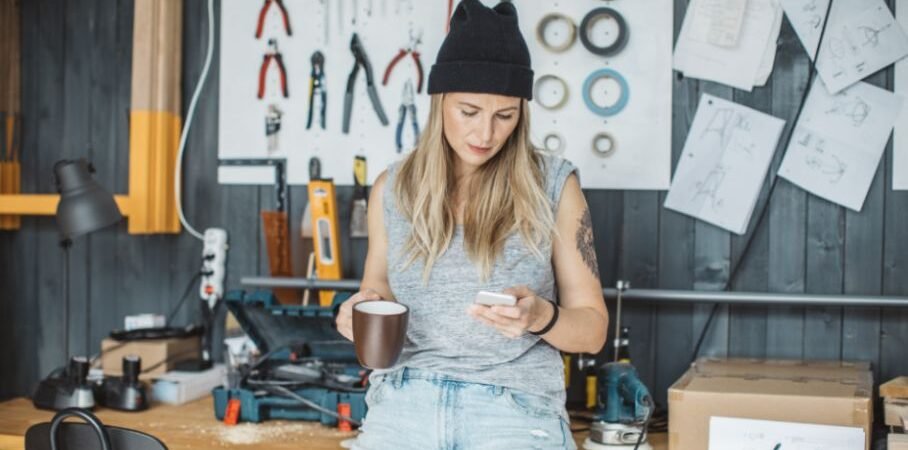
I used to think hobbies needed fancy tools, paid classes, or a full weekend. Then I realized the best hobbies often start with a notebook, a phone, a kitchen scrap, or ten quiet minutes.
If you want easy hobbies to start at home without spending much, the trick is not finding the “perfect” hobby. It is choosing one simple activity you can actually repeat.
Low-cost hobbies matter because they remove pressure. You do not need to buy a watercolor kit, gym membership, or professional camera before you enjoy your free time.
Research has linked enjoyable leisure activities with better psychological and physical functioning, which makes hobbies feel less like wasted time and more like practical self-care.
Why Cheap Hobbies Feel So Refreshing
Cheap hobbies feel refreshing because they lower the entry barrier. When I spend too much money on a new interest, I feel forced to like it. When I start with what I already own, I can experiment without guilt.
That is why easy hobbies start at home without spending much work so well for beginners. They let you test your personality, energy, and patience before spending anything. A good hobby should feel inviting, not like another bill.
Home-based creative activities can also support well-being. A 2023 study examined creative leisure activities and mental health during the pandemic, including changes in anxiety, depressive symptoms, and life satisfaction. That does not mean every hobby fixes stress. It means small creative routines can become meaningful parts of everyday life.
My Zero-Dollar Hobby Test
Before I start a hobby, I use a simple test. I ask three questions: Can I begin in five minutes? Can I do it with things I already own? Can I repeat it for seven days without forcing myself?
This test keeps me from collecting supplies instead of building a habit. It also makes easy hobbies to start at home without spending much more realistic time for busy people.
The 5-Minute Start Rule
A hobby is beginner-friendly when the first step takes five minutes or less. Opening a blank Google Doc, writing three journal lines, taking one photo near a window, or doing five squats all count. Google Docs supports online document creation and editing from different devices, which makes it useful for free writing practice.
The 7-Day Repeat Check
A hobby becomes useful when it survives a normal week. I do not judge it by one perfect day. I judge it by whether I return to it after work, chores, or a boring evening.
If a hobby still feels good after seven small attempts, it deserves more time. If not, I move on without feeling dramatic.
Free Hobbies At Home For A Calmer Mind

Mental hobbies are ideal when your body feels tired but your brain wants something better than scrolling. These are some of the best free hobbies at home because they need almost no setup.
Journaling
Journaling is my favorite reset hobby because it clears mental clutter fast. You can write about your mood, meals, goals, gratitude, or one annoying thought you want to release.
Expressive writing has been studied for psychological and physical health effects, and the American Psychological Association has also discussed how putting feelings into words may support mental health. Start with three lines: what happened, how I felt, and what I need next.
Language Learning
Language learning is one of the easiest hobbies to start at home with a phone. Apps make it feel like a short daily game instead of a heavy class.
Duolingo describes its app as free and built around quick lessons for speaking, reading, listening, and writing practice. Ten minutes a day can teach you useful words, basic greetings, and fun phrases. It can also give you better conversation topics to make small talk without feeling awkward.
Creative Writing
Creative writing costs nothing if you use a notebook or free digital tool. Start with short scenes, poems, tiny personal essays, or a private blog draft.
I like writing one paragraph from a random prompt. It removes the pressure to create something brilliant. The win is showing up, not publishing a masterpiece.
Puzzles And Brain Games
Sudoku, chess puzzles, crosswords, nonograms, and word games are great low-cost hobbies for adults at home. They give your brain a focused challenge without needing supplies.
I use puzzles when I want a hobby that feels productive but not emotional. They are also easy to fit into a coffee break.
Creative Hobbies At Home Using What You Own
Creative hobbies do not need to look polished. They only need to help you notice, make, or arrange something differently.
Smartphone Photography
Smartphone photography changed how I look at my own home. A coffee mug, window shadow, bookshelf, or dinner plate can become a mini photo project.
Pick one theme each day, such as texture, light, reflection, or color. This turns your phone into a creative tool instead of a distraction.
Digital Collage Design
Digital collage design is perfect if you like mood boards, interiors, fashion, travel ideas, or visual planning. Canva states that its platform includes a free plan, and its design tools can be used for social posts, presentations, posters, and more.
Try making a “dream Sunday” board using colors, recipes, rooms, and quotes. It feels creative without needing scissors, glue, or craft storage.
Sketching And Doodling
Sketching is one of the most forgiving easy hobbies to start at home without spending much. Use a pencil, pen, receipt, notebook margin, or scrap paper.
Draw what is in front of you. A shoe, spoon, plant, lamp, or hand works fine. Bad sketches still count because they train observation.
Upcycling Old Clothes
Upcycling gives old items a second life. You can cut worn T-shirts into cleaning cloths, braid fabric into small rugs, or turn old jars into desk storage.
This hobby feels practical because the result has a use. It also helps reduce the urge to buy decor when you can remake what you already own.
Low-Cost Kitchen And Lifestyle Hobbies

Kitchen hobbies are satisfying because they give you something useful at the end. You learn, experiment, and sometimes get snacks.
Baking And Cooking
Cooking is a hobby hiding inside a daily task. Try one new sauce, spice mix, soup, bread, or breakfast recipe each week.
I like “pantry challenges.” I pick three ingredients I already own and make something simple. It saves money and makes boring meals feel playful.
Regrowing Kitchen Scraps
Regrowing kitchen scraps is a tiny home gardening hobby. Green onion bottoms, celery bases, and some lettuce hearts can regrow in water with light and care.
Penn State Extension advises keeping the water level around half an inch once roots form during vegetable regrowing projects. It will not replace grocery shopping, but it makes your windowsill feel alive.
Meditation
Meditation is one of the cheapest calming hobbies because it requires no equipment. Sit comfortably, set a timer, and follow your breath for five to ten minutes.
The NIH’s National Center for Complementary and Integrative Health notes that meditation and mindfulness have been studied for stress, anxiety, depression, pain, sleep, and quality of life. Keep it simple. The goal is not an empty mind. The goal is returning when your mind wanders.
Indoor Hobbies That Get Your Body Moving

Some hobbies help you stop feeling stuck in your chair. You do not need a full home gym to move more at home.
Home Yoga And Pilates
Home yoga and Pilates are useful when you want strength, mobility, and calm in one routine. A towel can replace a mat at the beginning.
Start with ten minutes of beginner moves. Focus on breathing, control, and comfort rather than perfect poses.
Dance Fitness
Dance fitness is the least serious workout hobby, which is why I like it. Put on music and move for three songs. That is enough to change your mood.
You can also follow free beginner dance-cardio videos. No one at home is grading your rhythm.
Bodyweight Exercises
Bodyweight exercises are simple and practical. Squats, wall push-ups, planks, lunges, and glute bridges need little space.
The CDC says adults need 150 minutes of moderate-intensity physical activity each week and at least two days of muscle-strengthening activity. A short home routine will not make you an athlete overnight, but it can help you build momentum.
How To Choose The Right Hobby For Your Mood
The best easy hobbies to start at home without spending much match your mood, not someone else’s aesthetic. If you feel restless, try dance, yoga, or bodyweight exercise. If you feel drained, try journaling, meditation, or sketching. If you feel bored, try cooking, photography, or puzzles.
My favorite method is the “one shelf rule.” I choose hobbies that fit on one shelf, one app folder, or one kitchen counter. If a hobby needs too much space, money, or cleanup, I will probably quit.
Start with one hobby for seven days. Keep the time small. Ten minutes counts. The hobby that makes you feel a little more like yourself is the one worth keeping.
FAQs
1. What are the easiest hobbies to start at home for free?
Journaling, sketching, meditation, language learning, puzzles, dance, and smartphone photography are easy free hobbies to start at home.
2. What hobbies can I start with no equipment?
You can start bodyweight exercise, creative writing, meditation, doodling, dance fitness, and phone photography without buying equipment.
3. How do I pick a hobby when I get bored fast?
Choose a hobby with a five-minute starting point and test it for seven days before deciding if it fits you.
4. Are cheap hobbies still useful for personal growth?
Yes, cheap hobbies can build creativity, patience, movement, focus, and confidence without adding financial pressure.
Your Couch Called, It Wants Better Stories
You do not need a cart full of supplies to become a hobby person. You need one small activity that makes your free time feel less empty and more yours. The best easy hobbies to start at home without spending much are simple enough to begin today and flexible enough to fit real life.
Pick one idea from this list and try it for ten minutes tonight. No big announcement. No expensive starter kit. Just one tiny hobby experiment before another evening disappears into scrolling.